
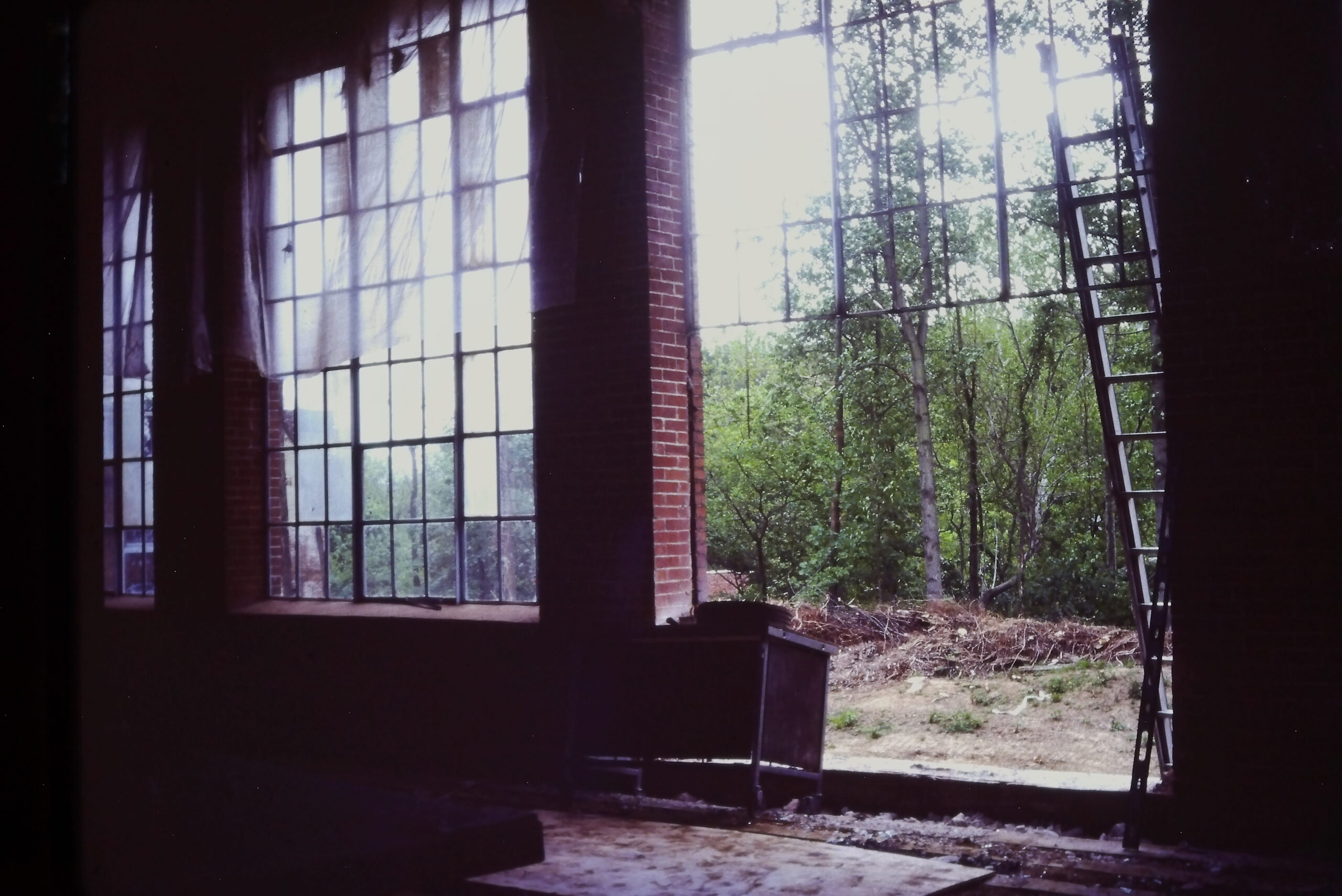
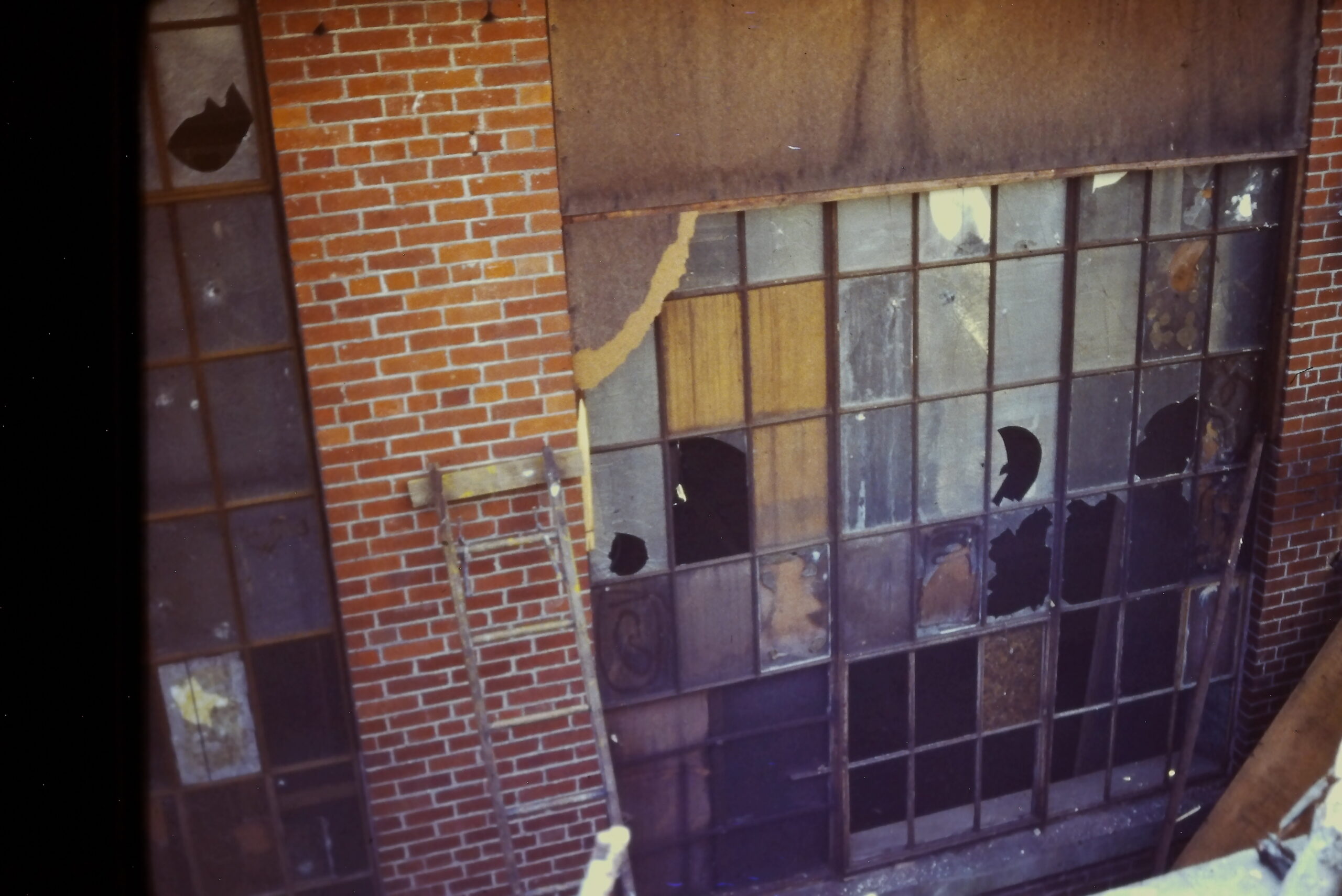
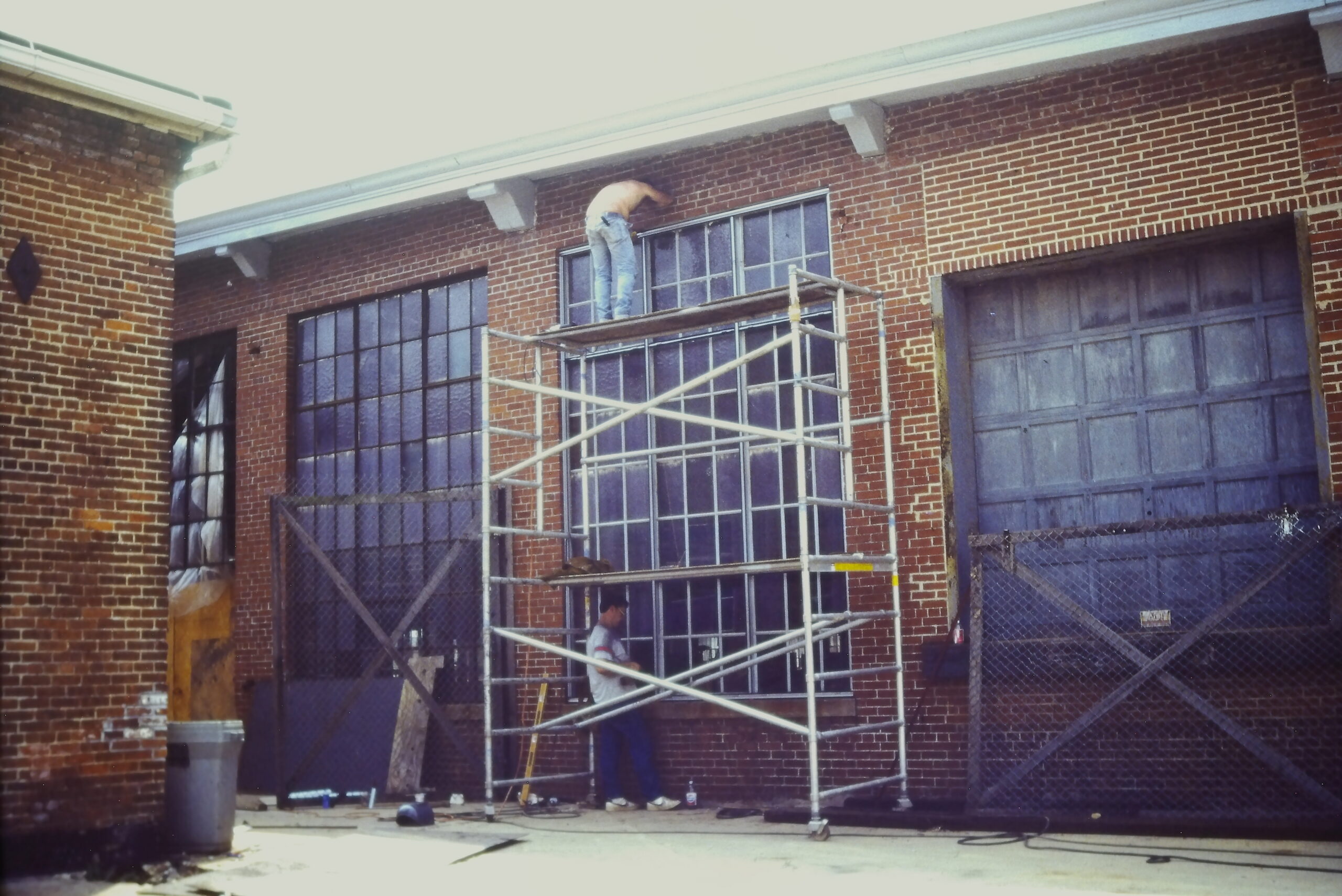
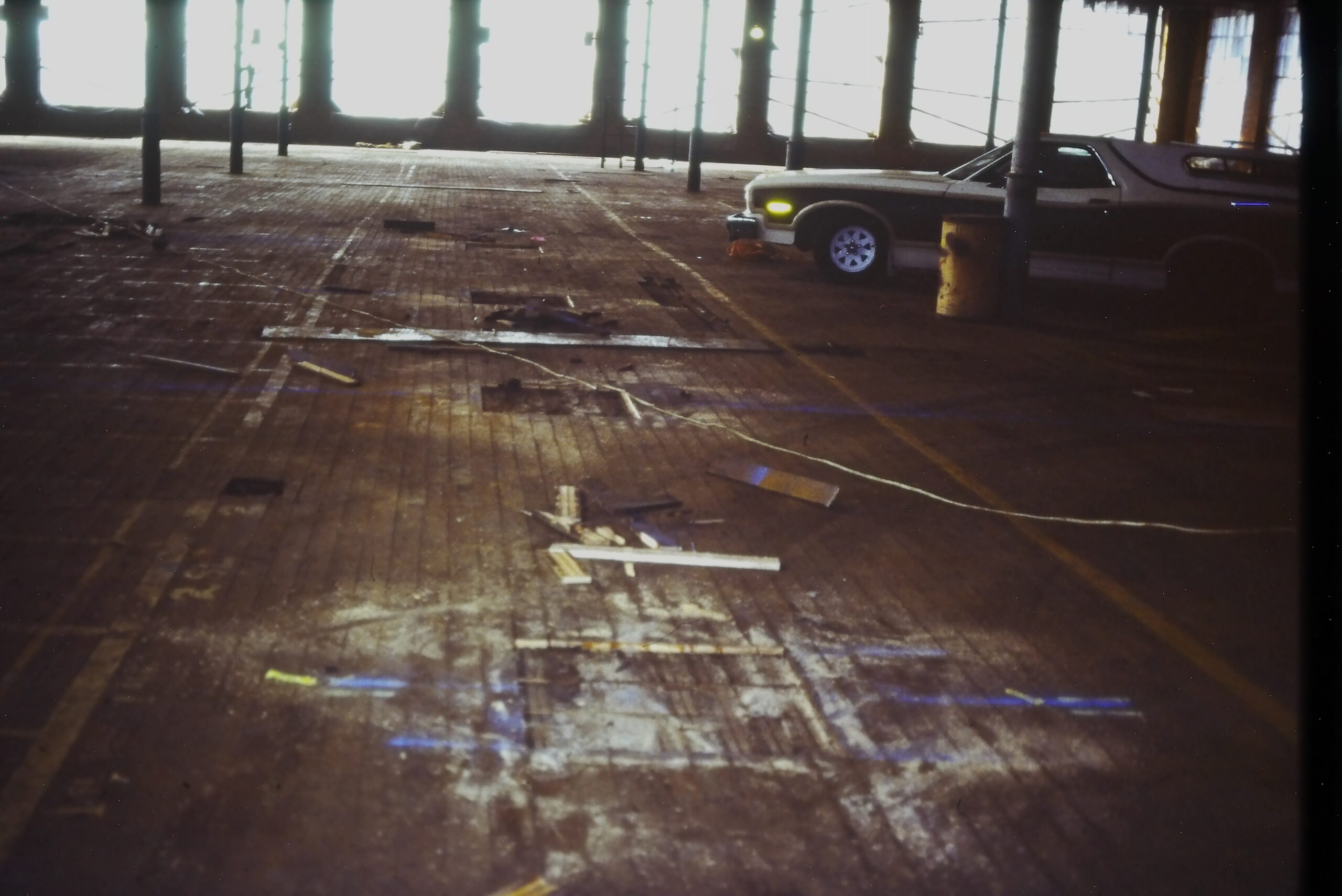
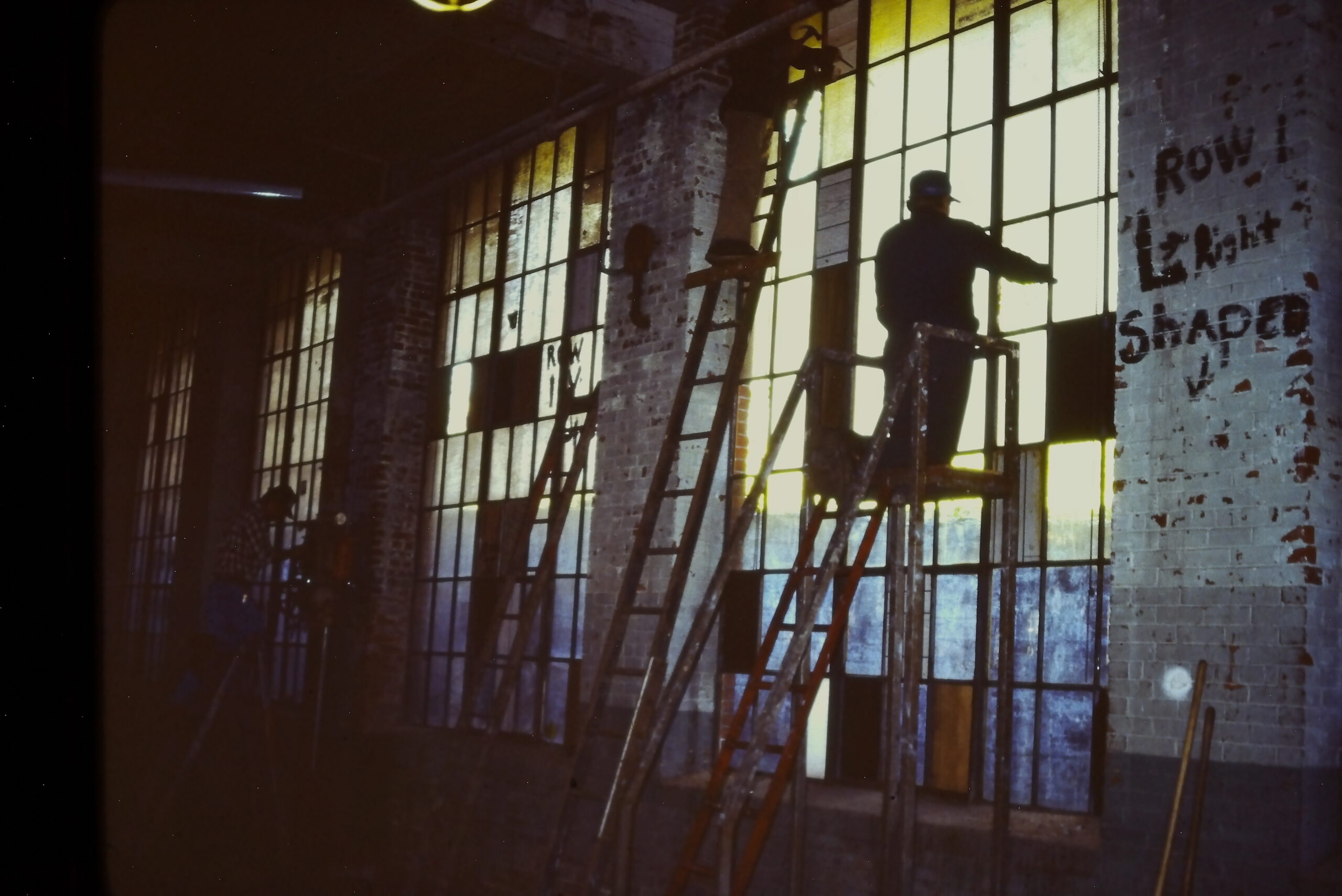
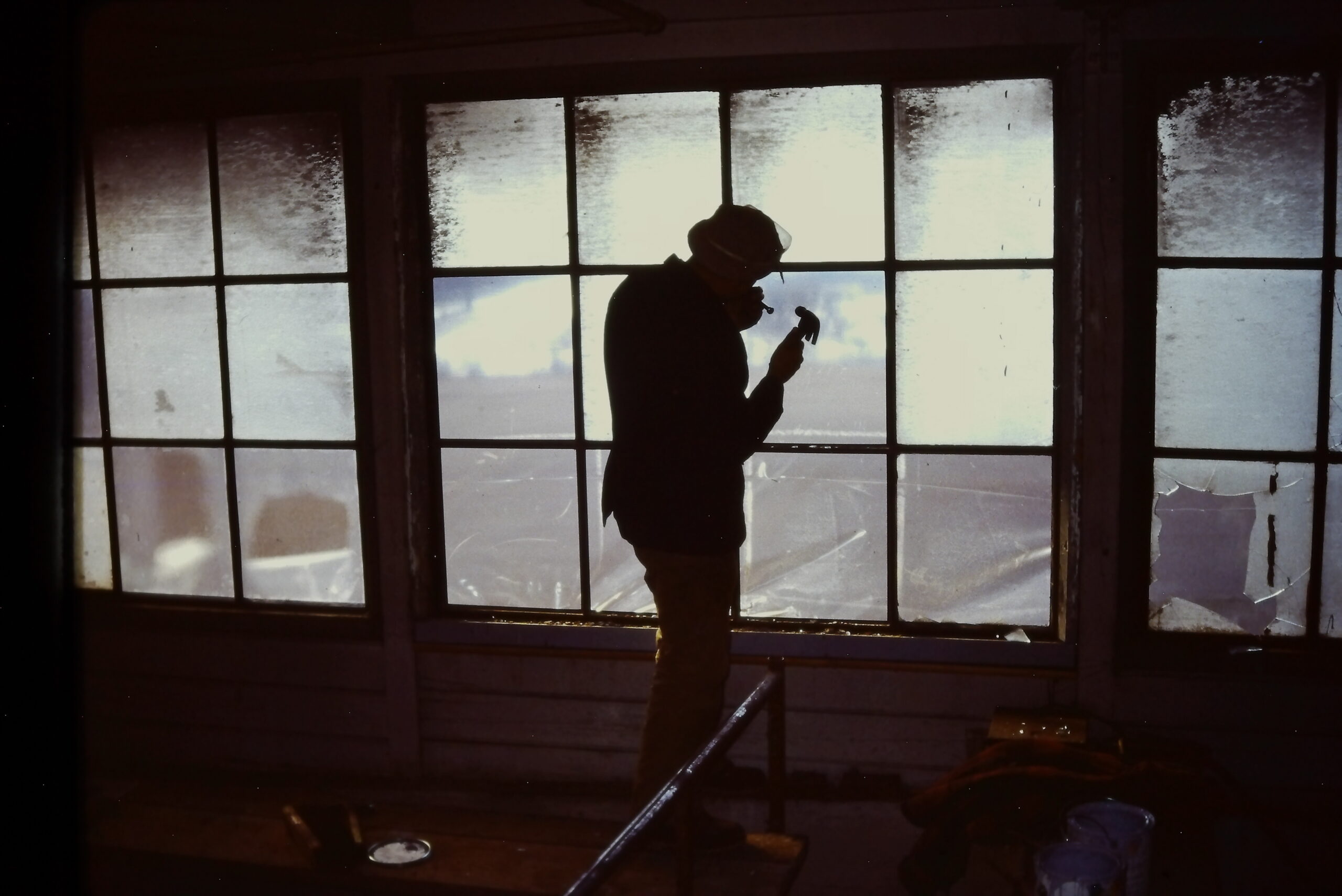
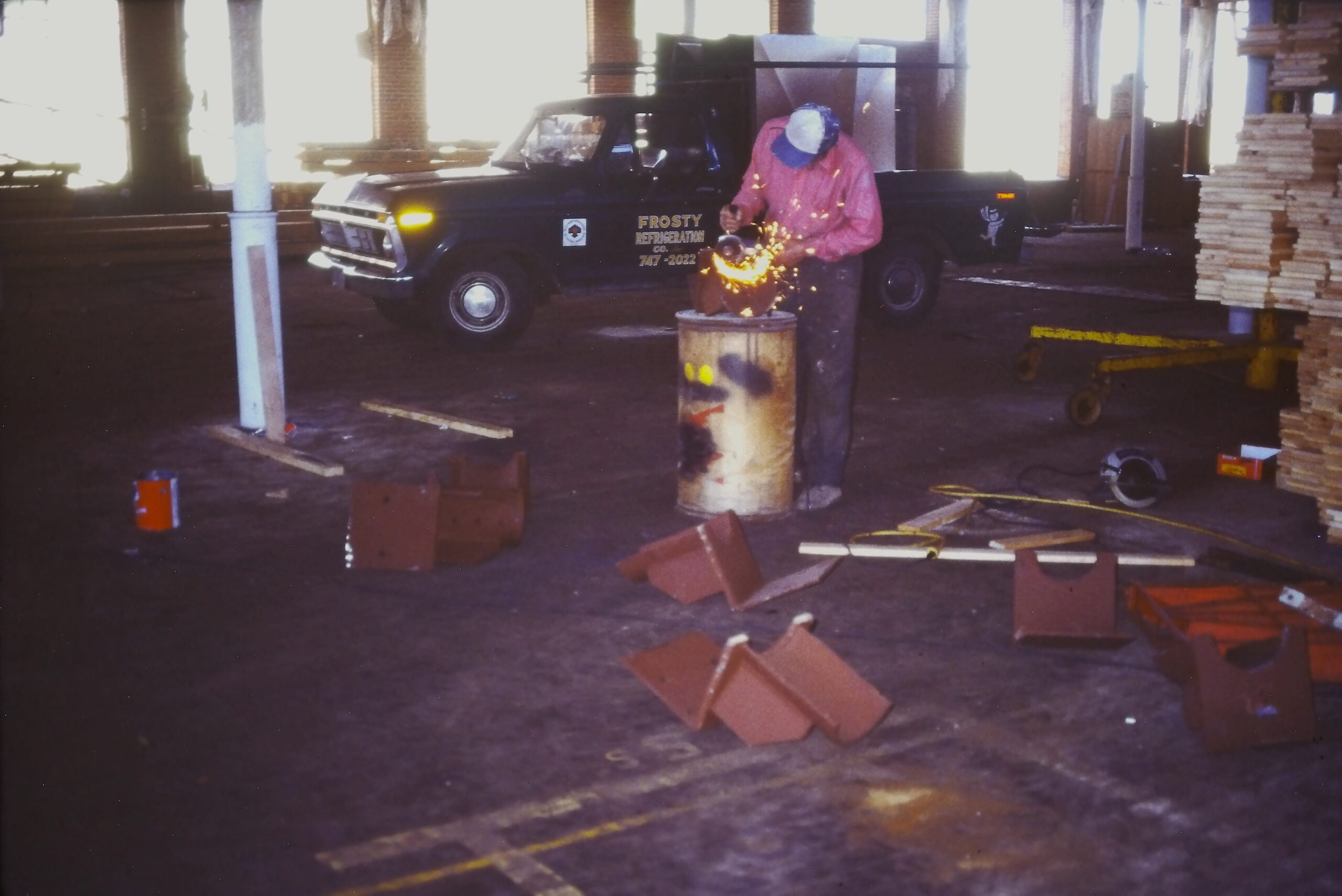
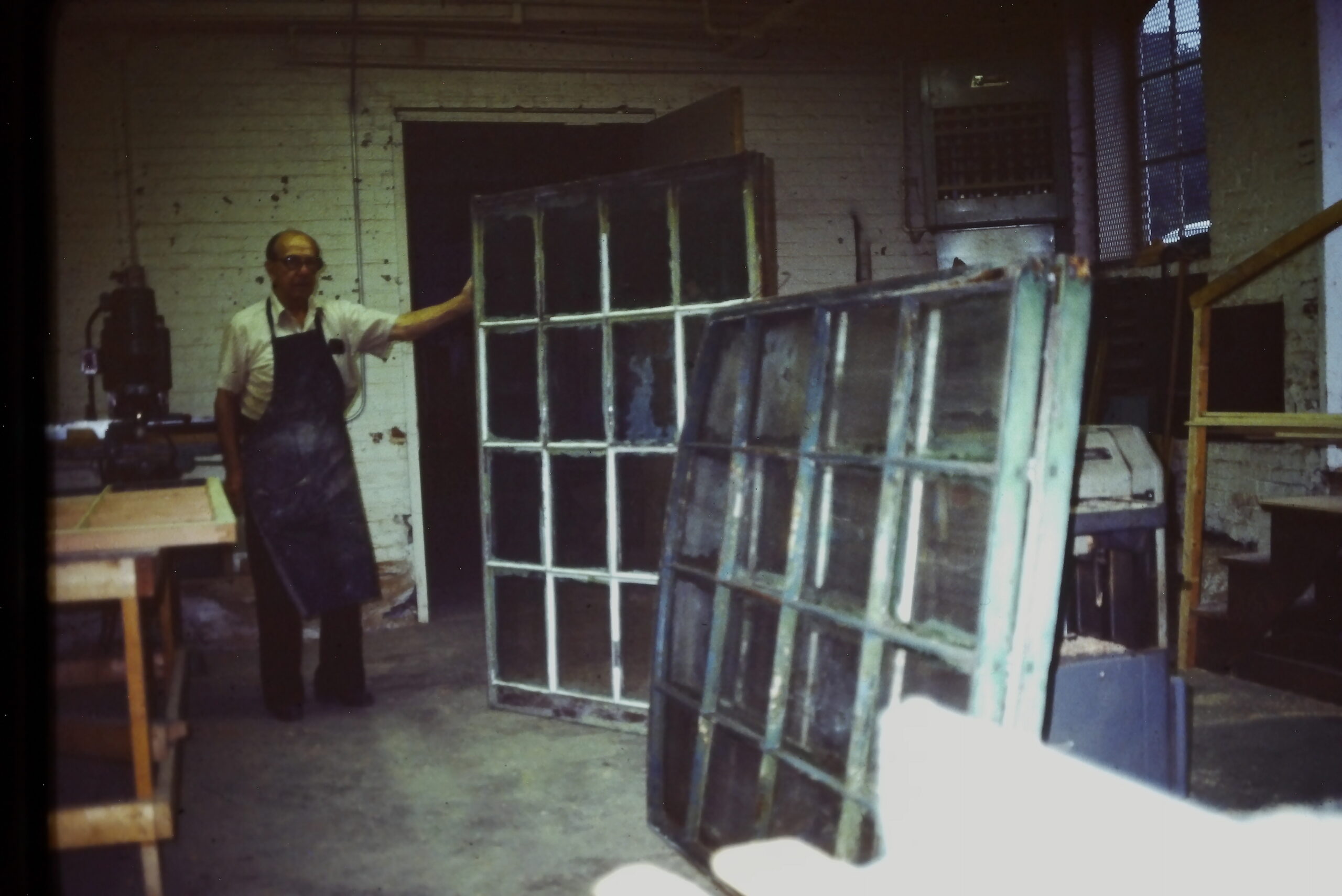
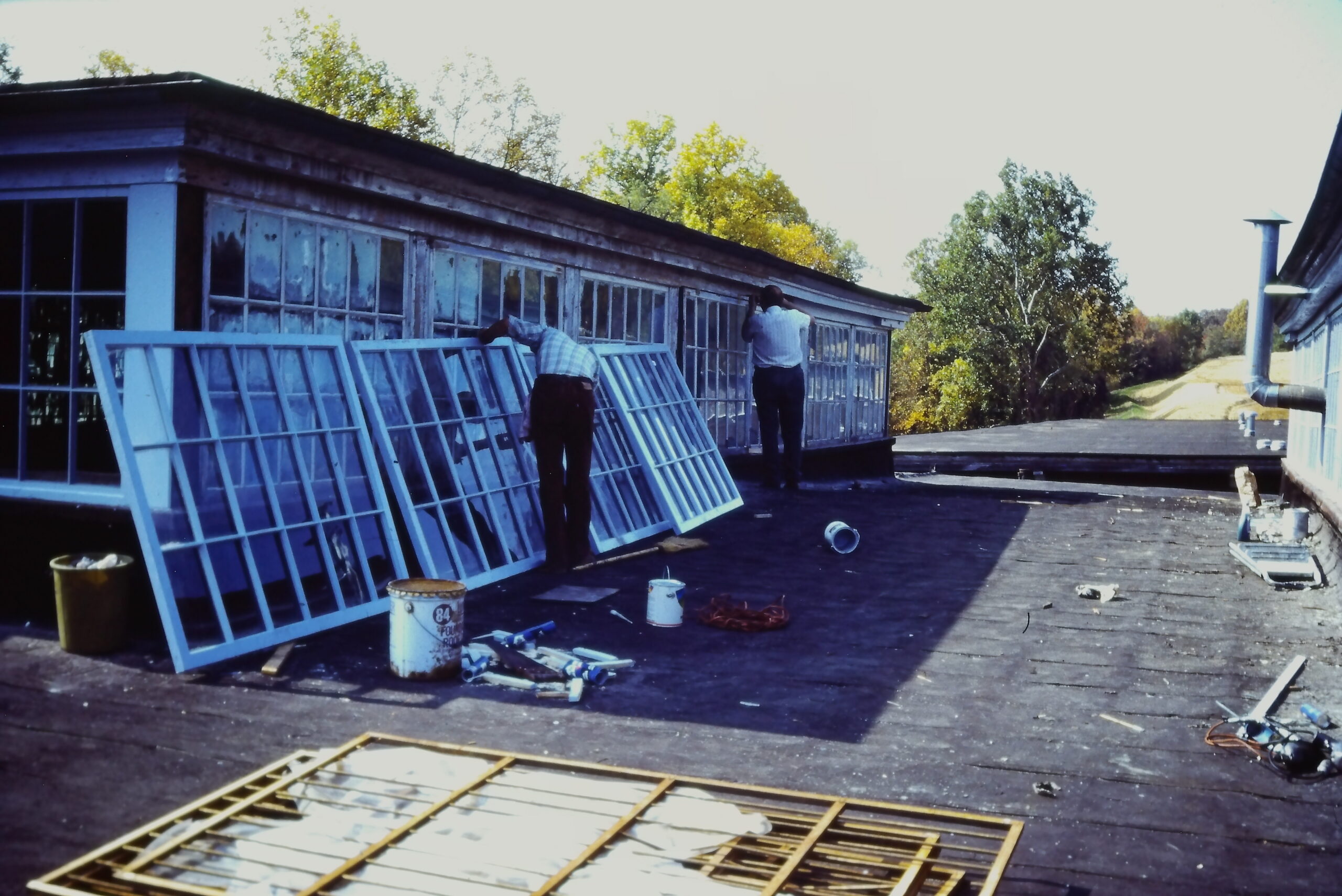
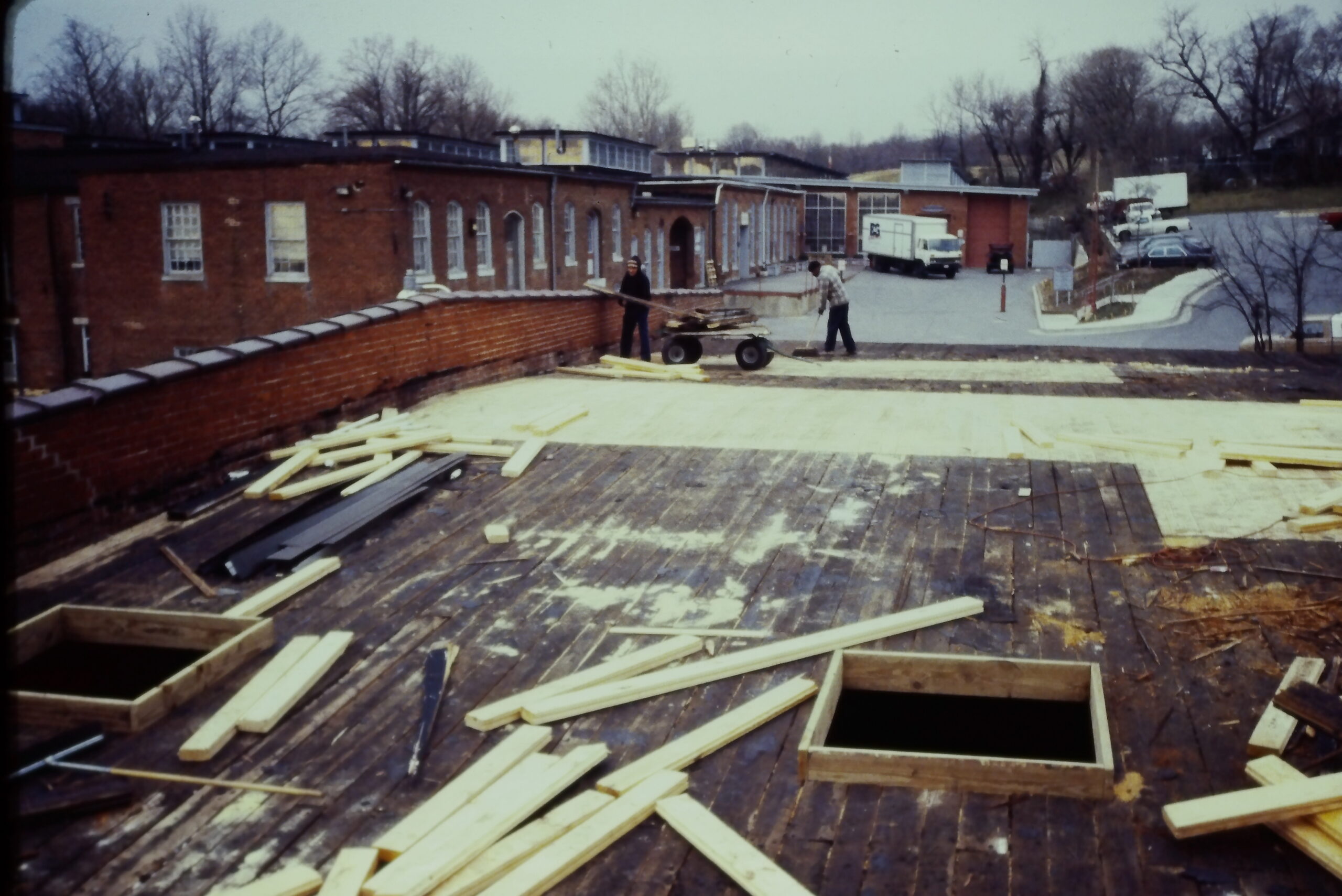
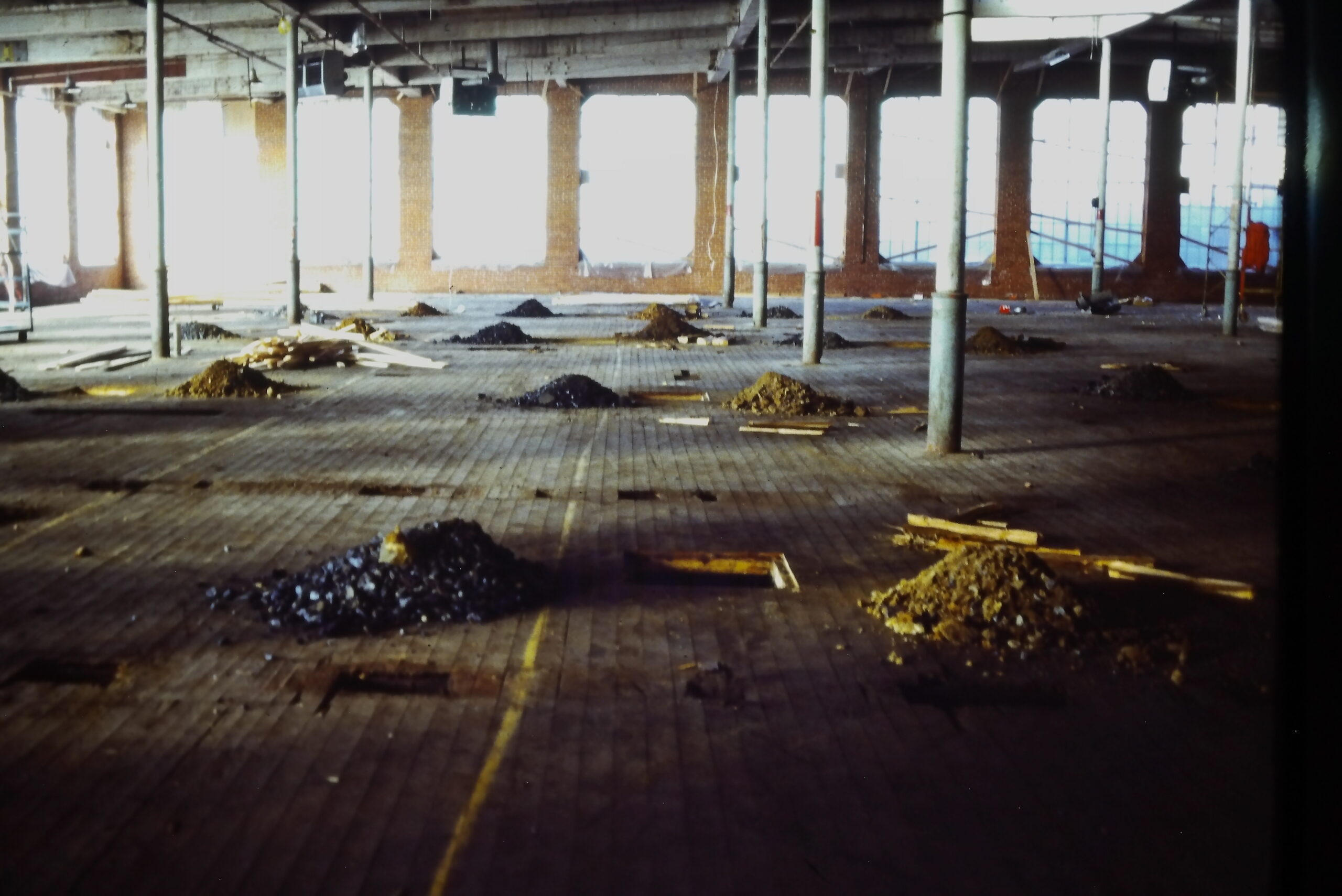
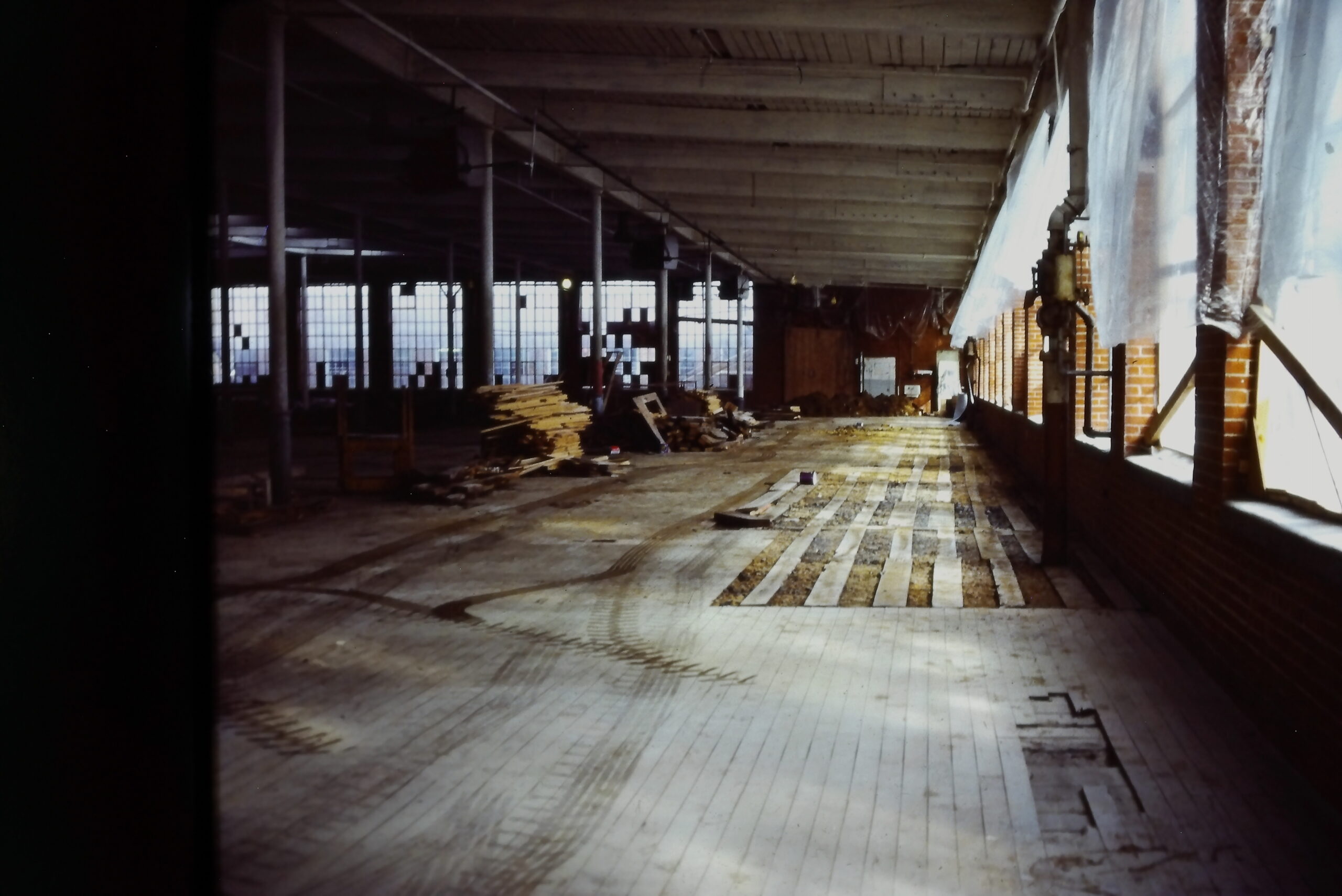
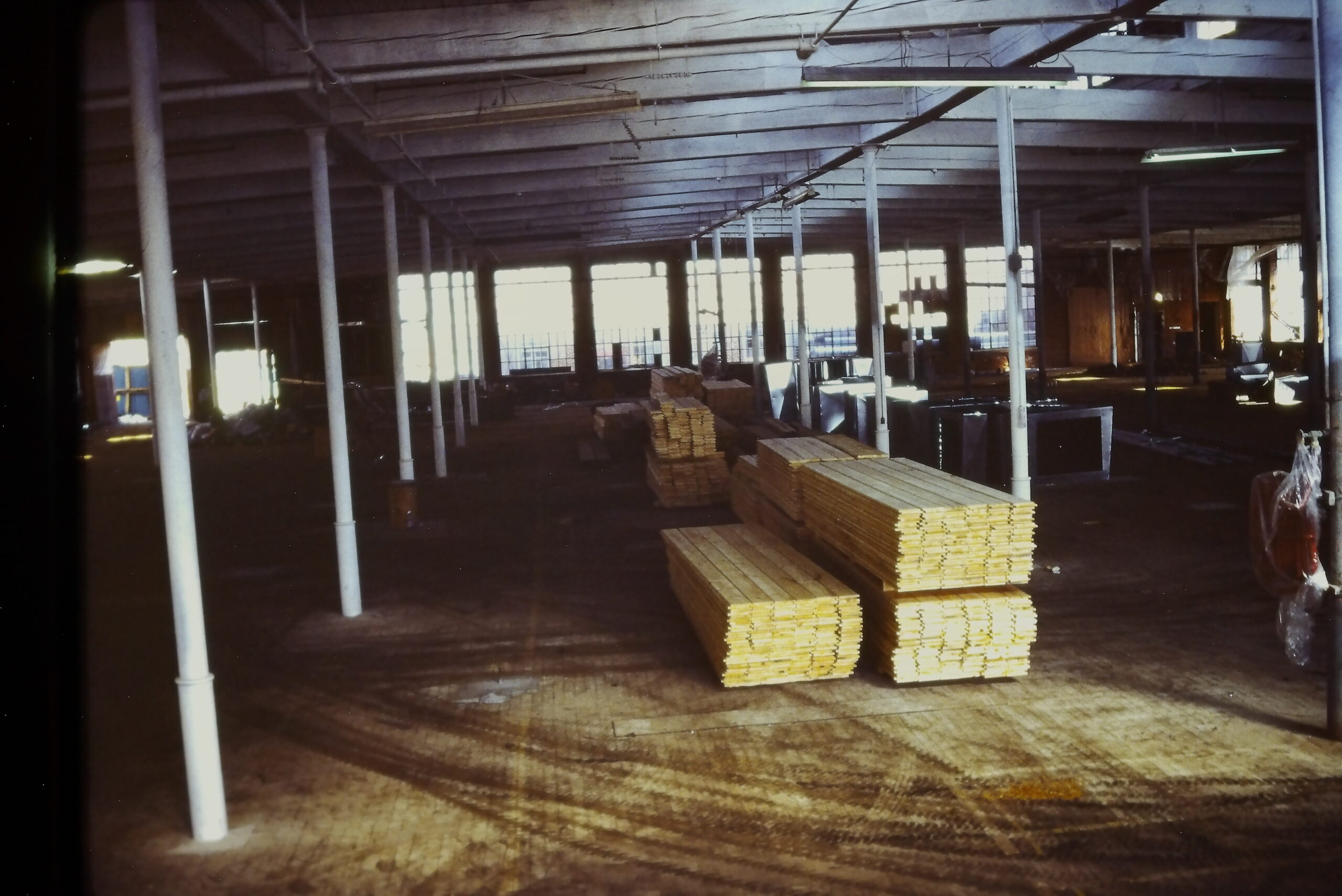
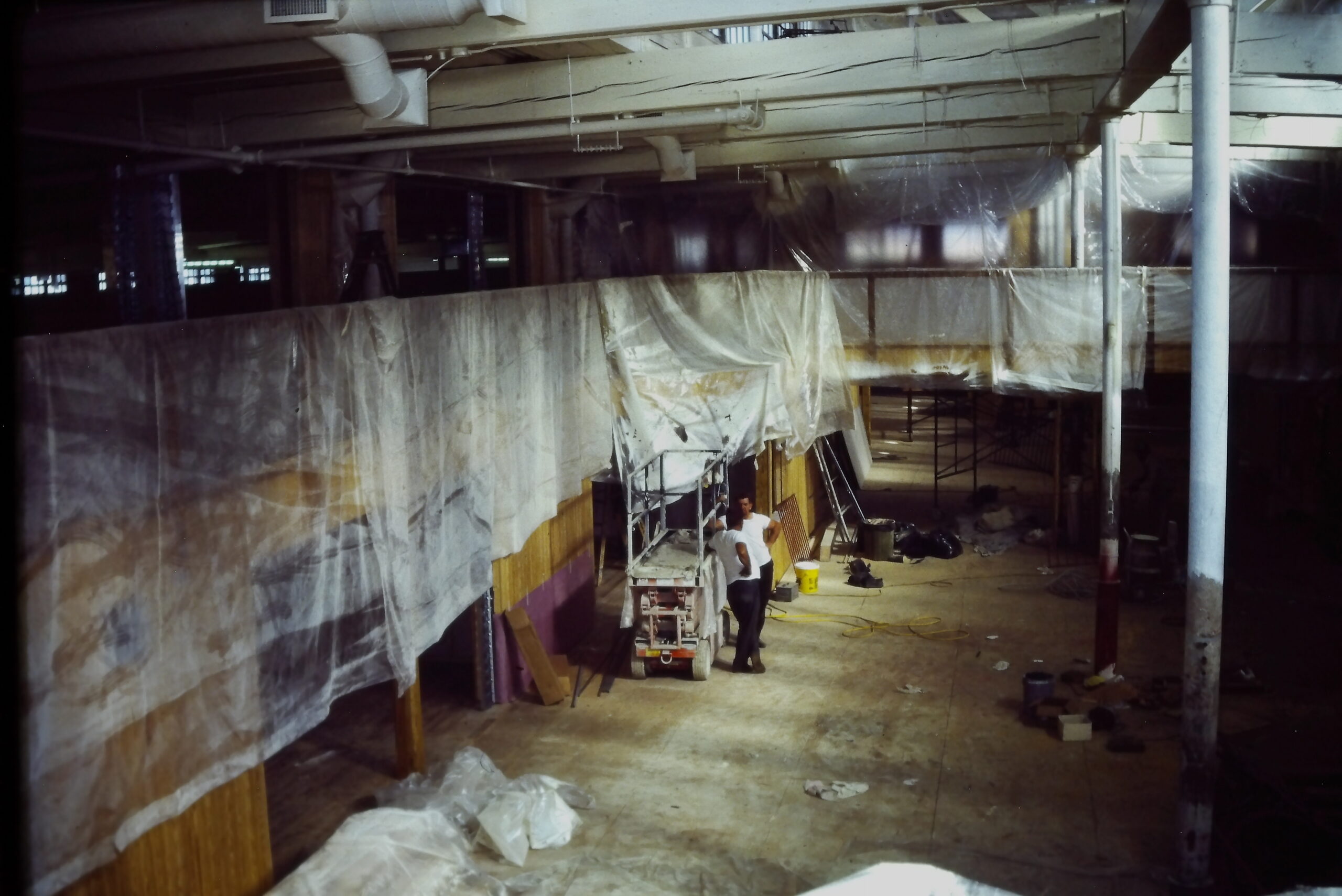
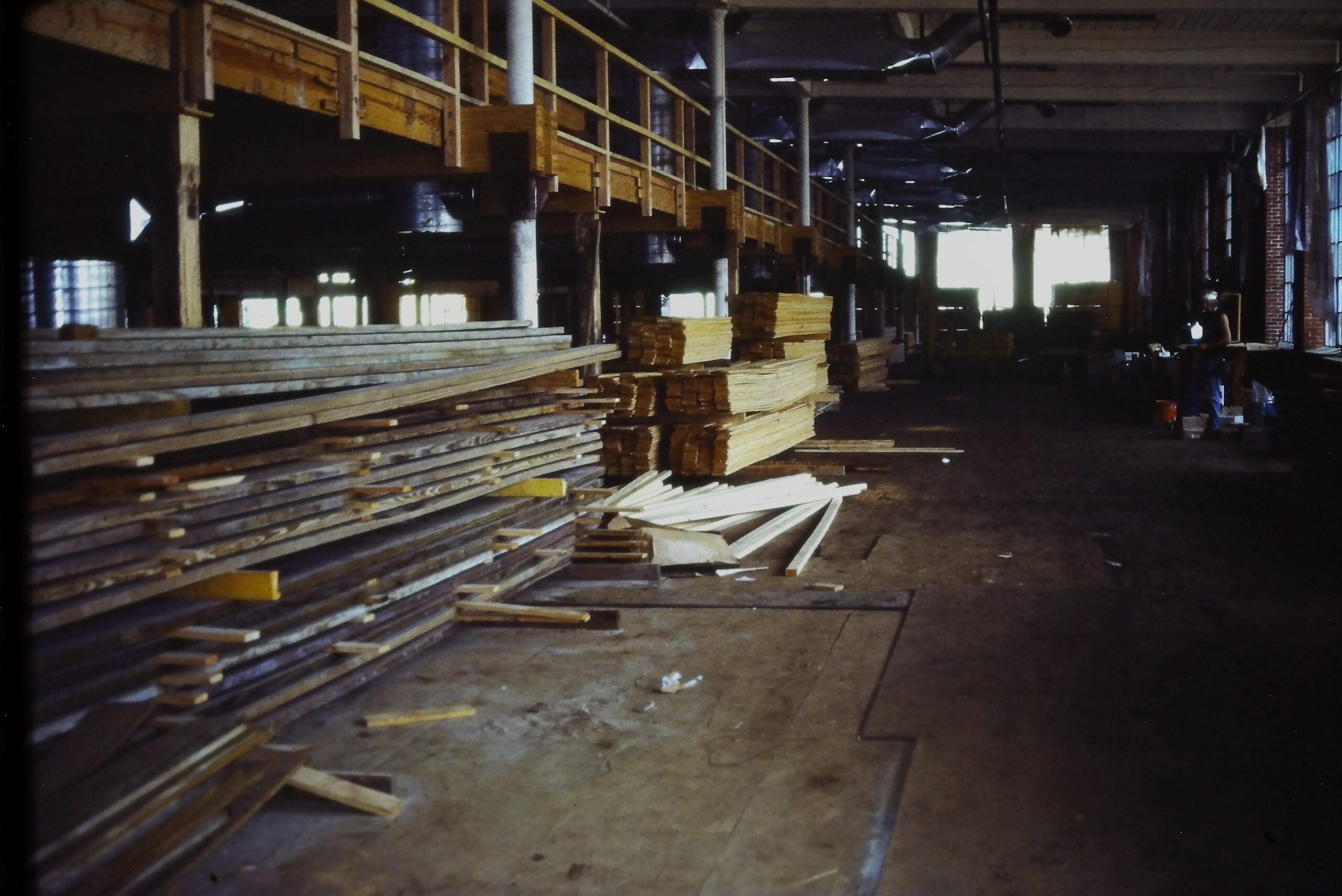
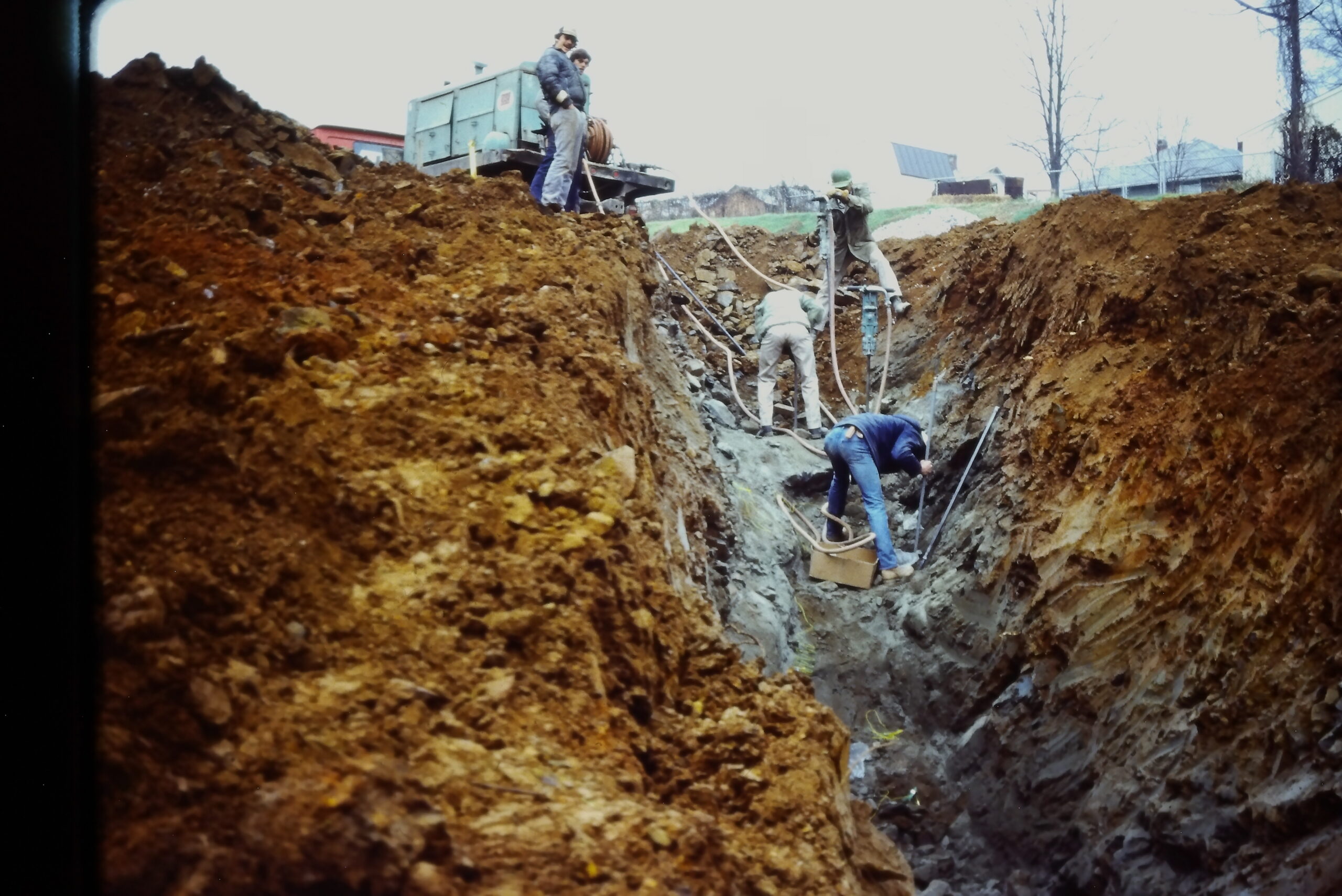
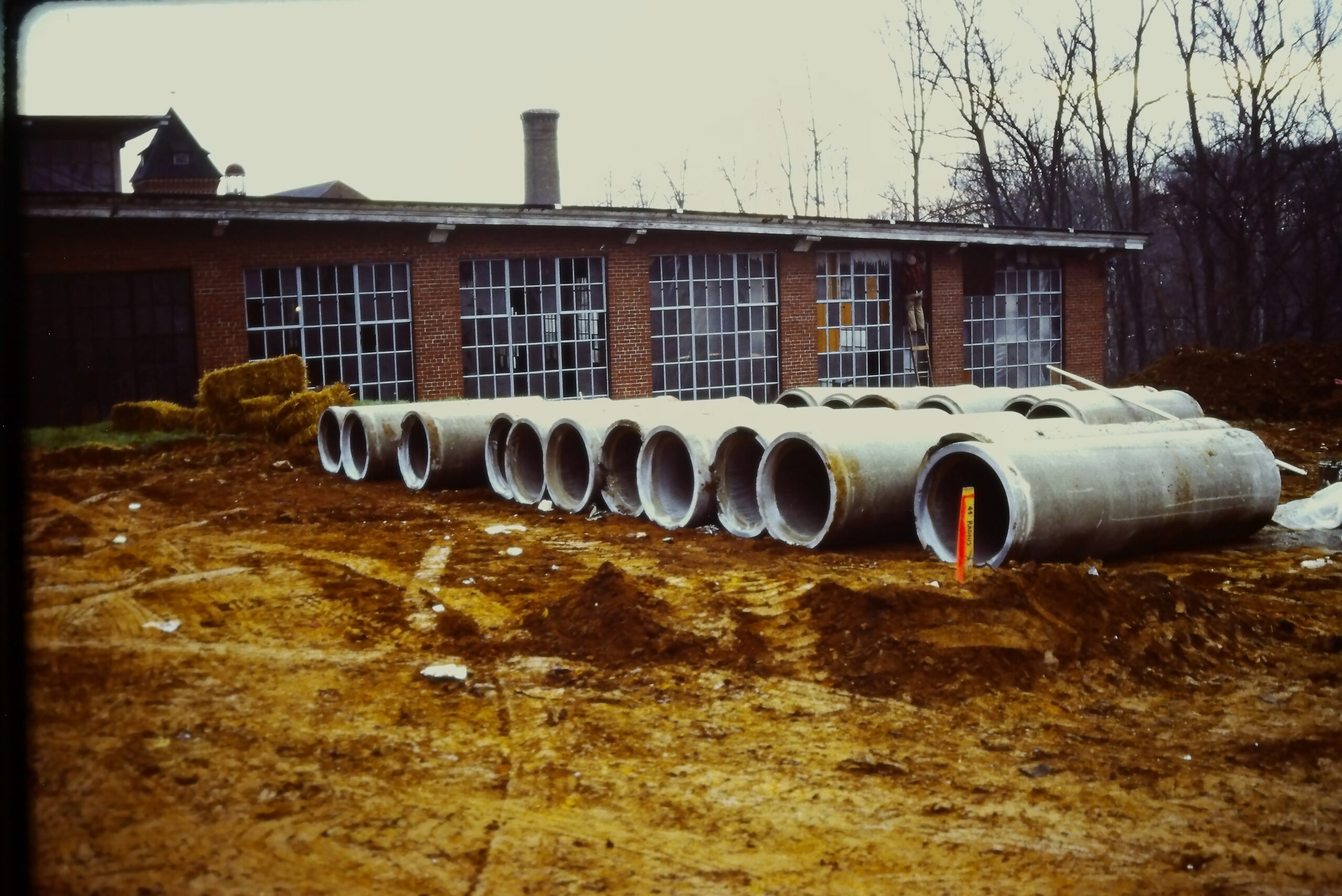
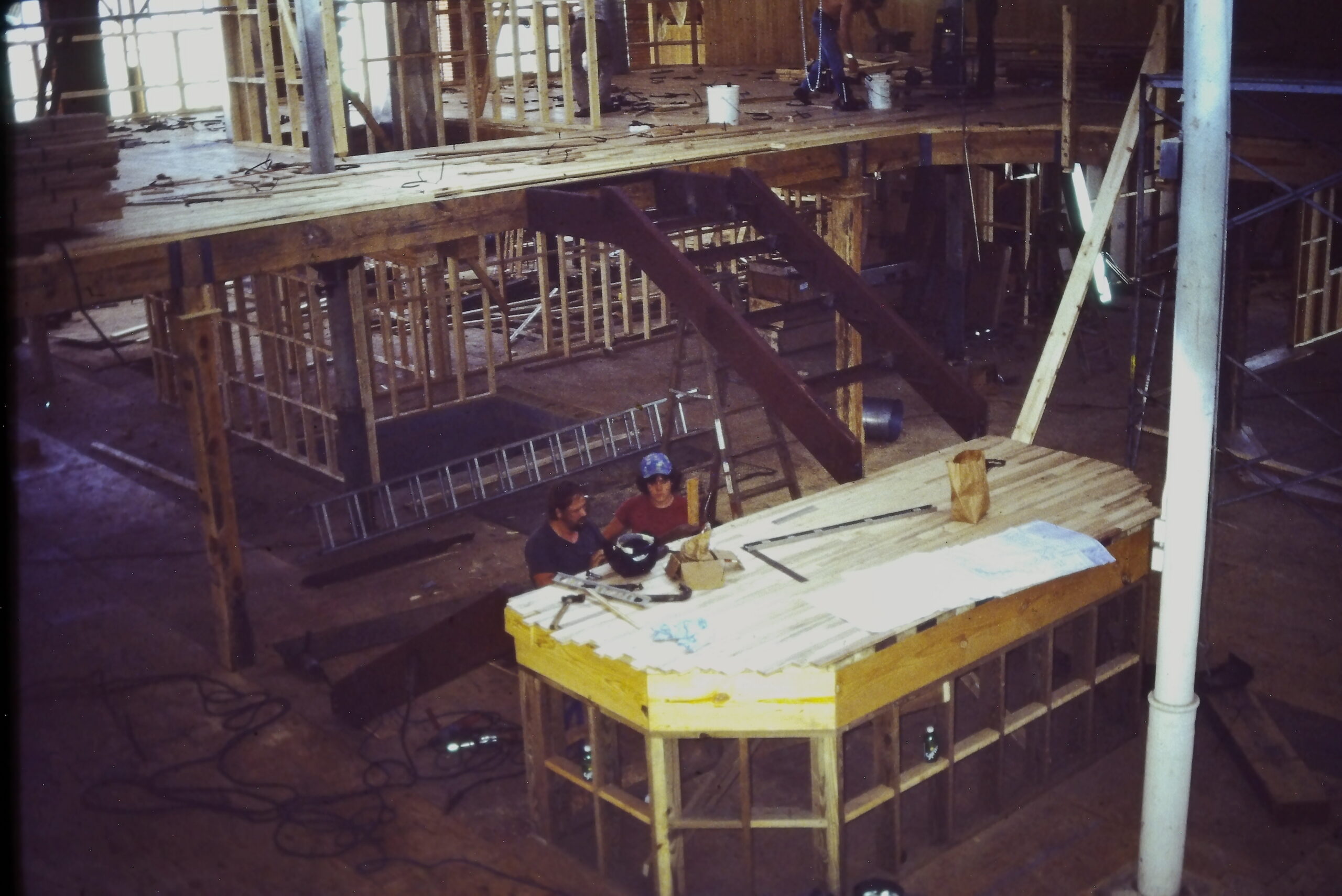
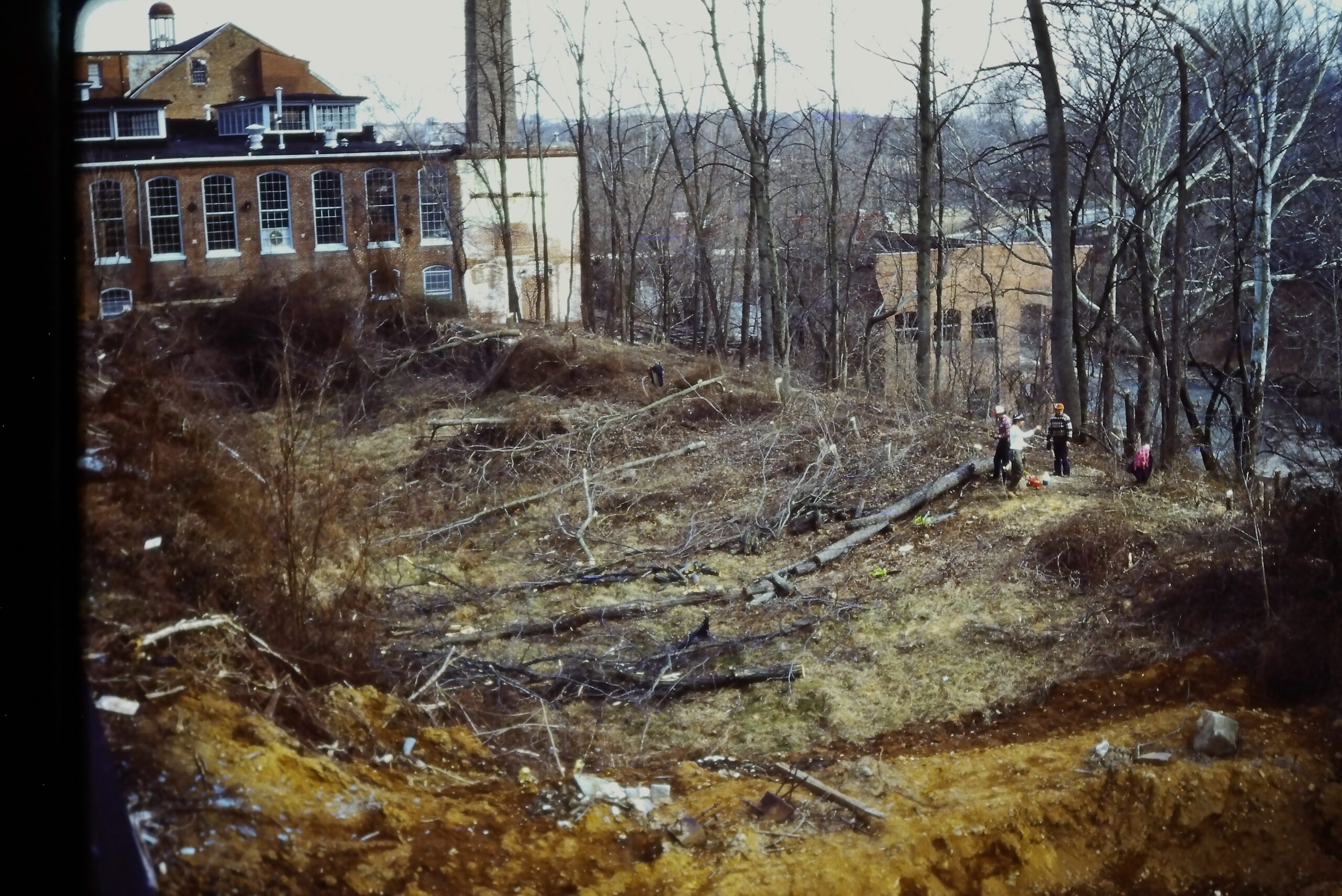
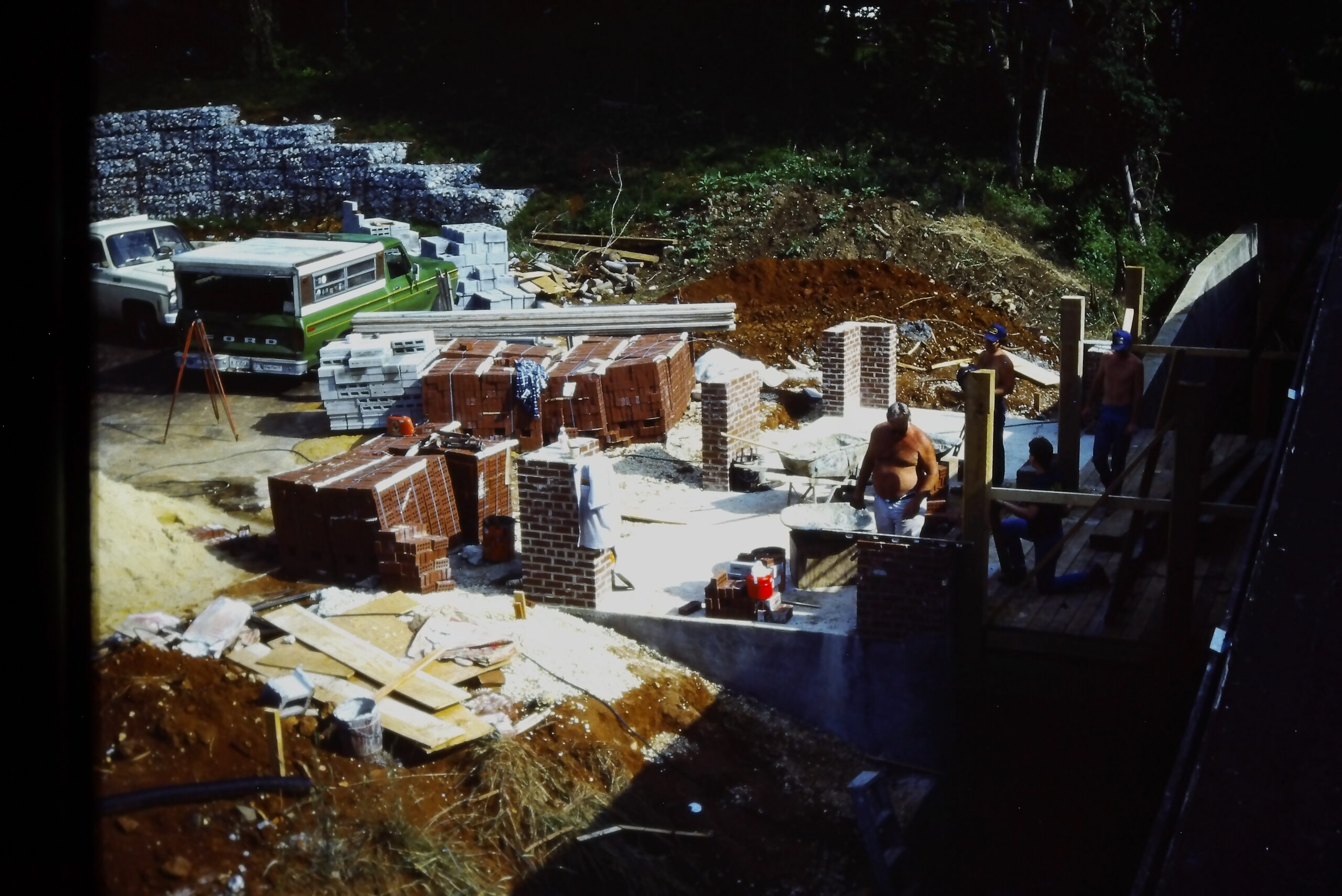
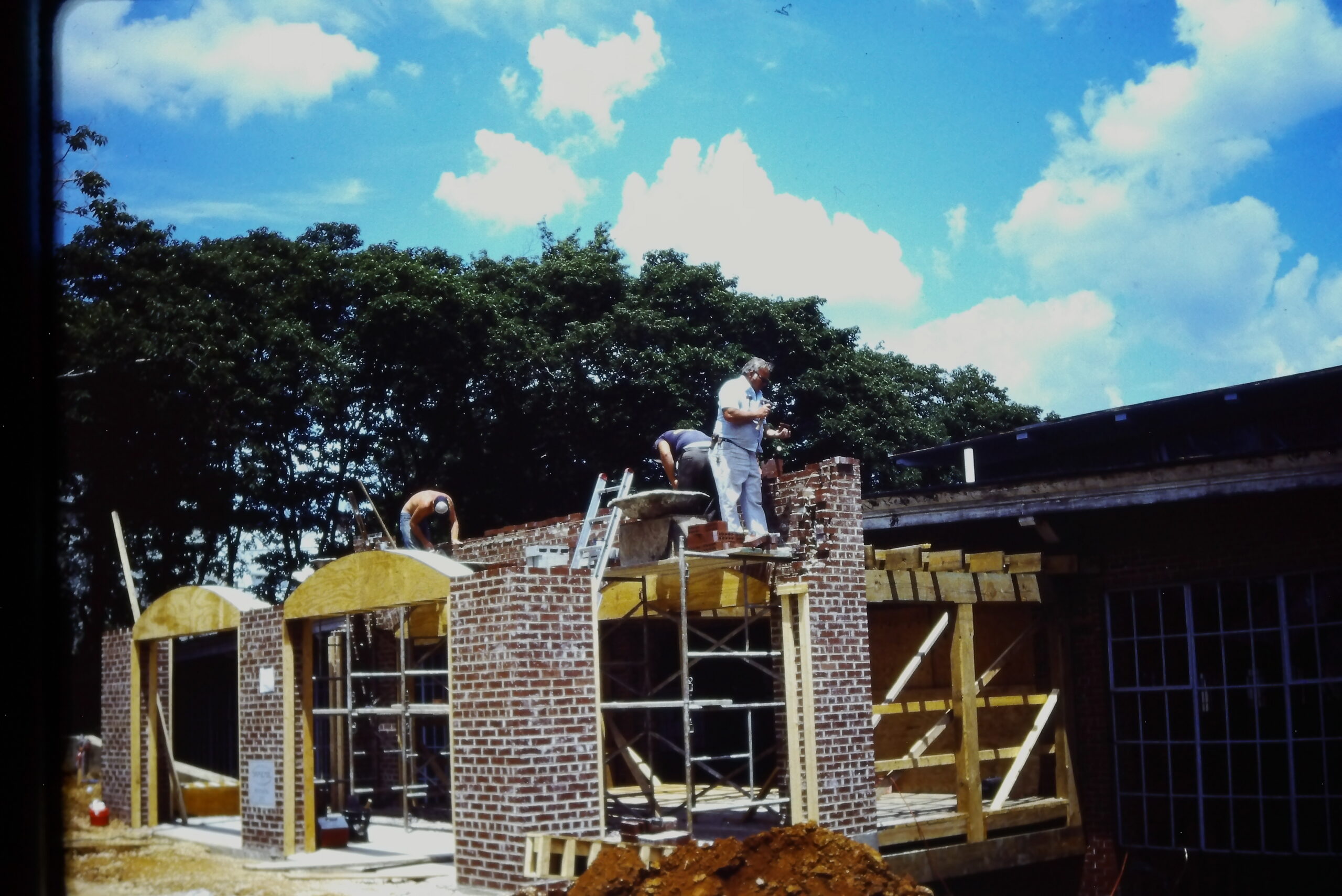
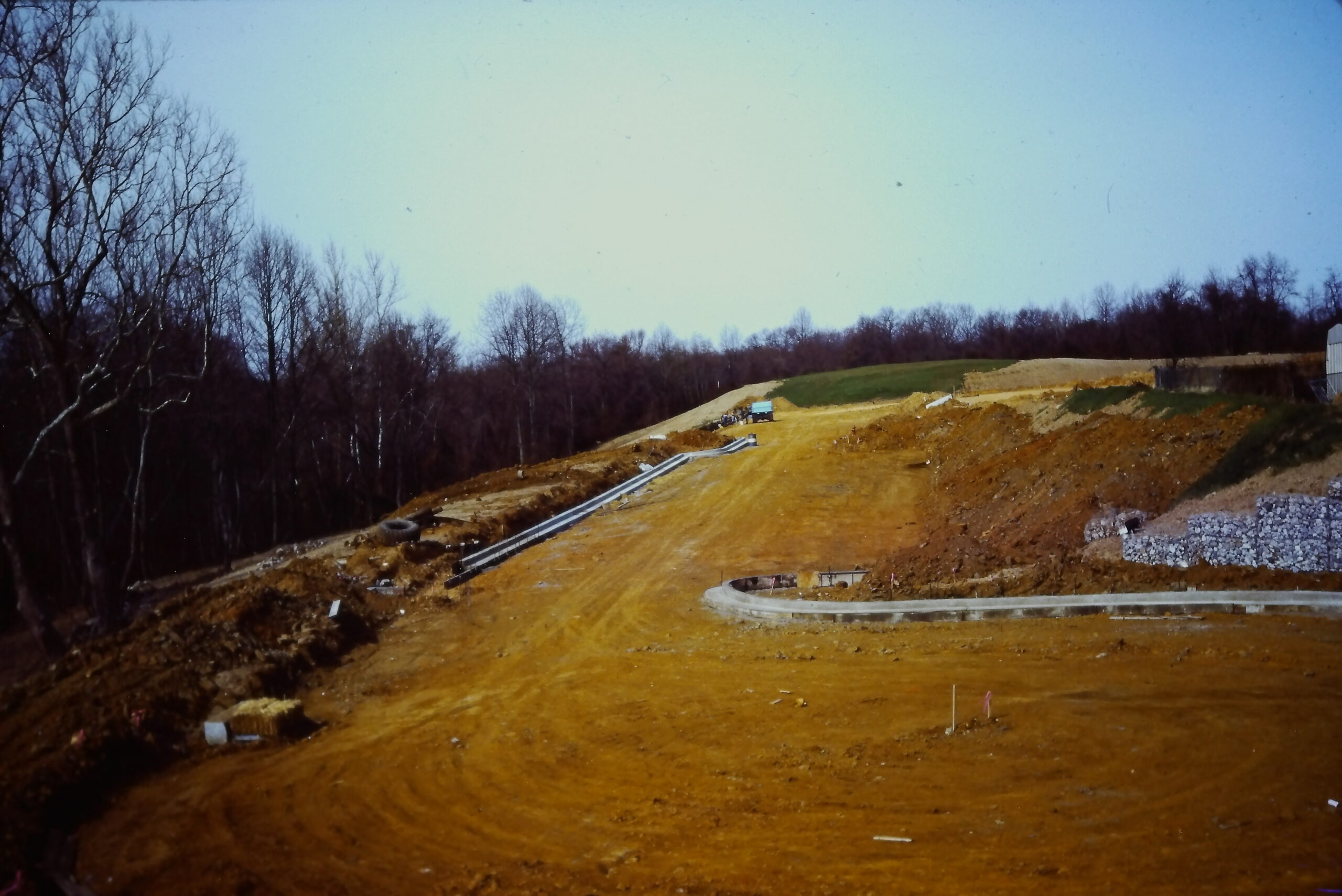
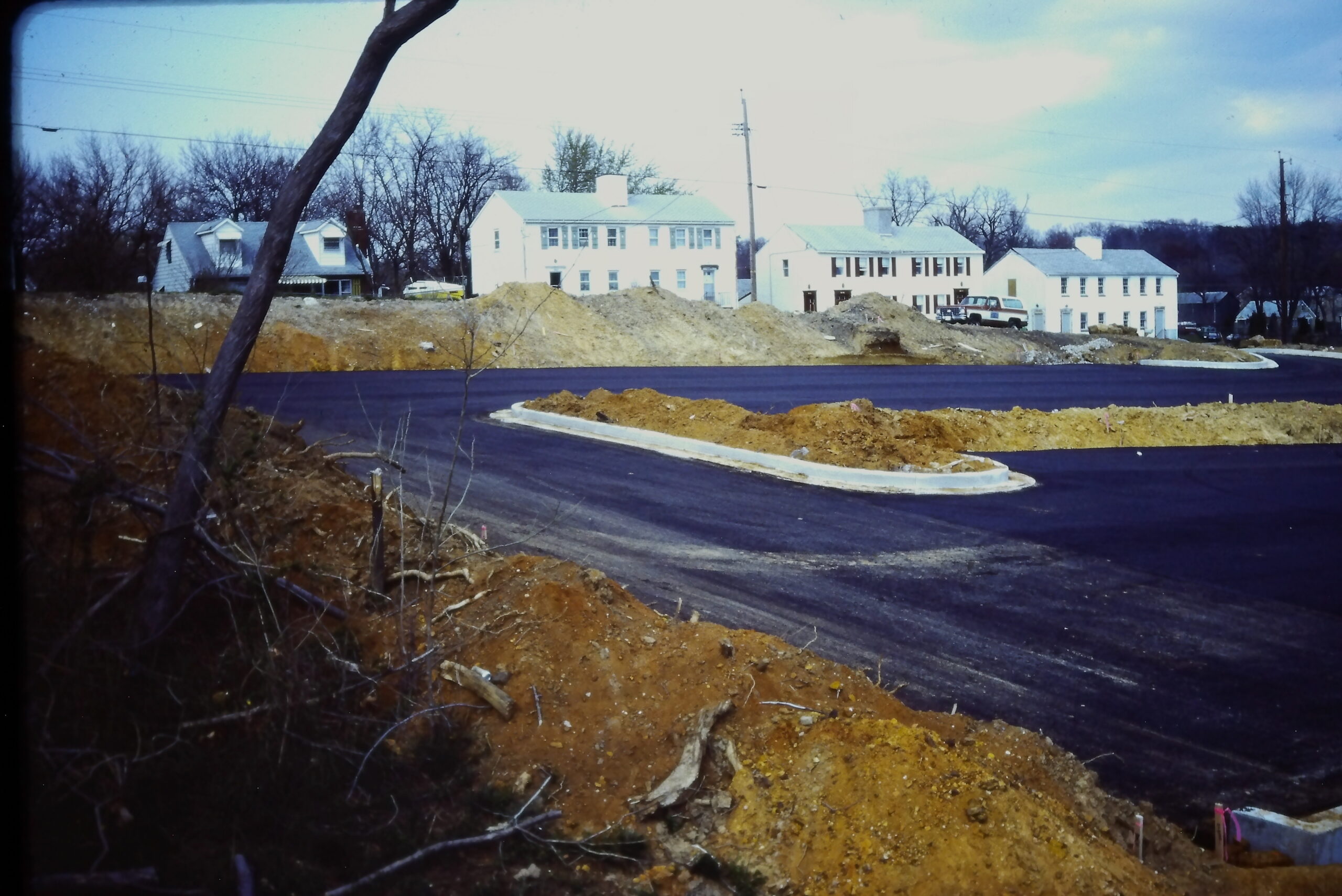
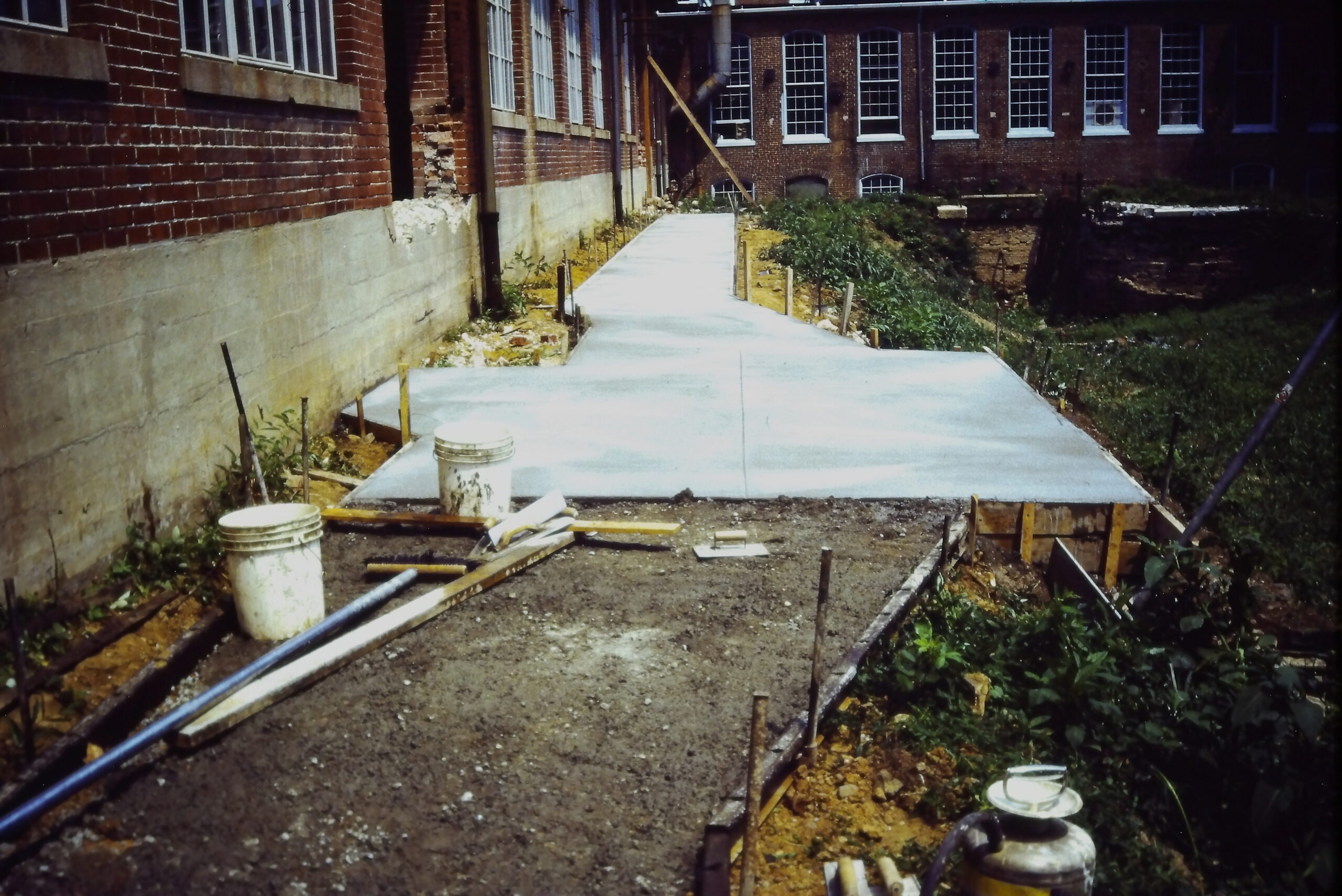
Deteriorated buildings with broken windows and rotting ceilings and floors. Nonexistent HVAC and fire suppression systems. Limited parking and infrastructure. These were just some of the challenges confronting Savage Mill’s management when they set to work renovating the property for public use back in the 1980s. Aware that it would be a long game, they invested and persevered, envisioning a transformed Savage Mill that has become reality: a flourishing community of over 70 small businesses and dining establishments.
Preserving and maintaining the historic integrity of a property while adapting to meet today’s needs isn’t always easy. It means prioritizing people and resources over making an easy profit. It requires a sense of stewardship, of protecting something valuable that will outlast yourself. Our 2022 blog post “Talking with Jay Winer: The Man Behind the Mill” is a fascinating backstory with the managing partner. With 2025 marking 75 years since the Winer family purchased the defunct Savage Mill following its brief stint as a Christmas ornament factory, we met up with Jay Winer again to learn more about the mindset and values that have propelled the Mill forward.
In the blog “Man Behind the Mill”, you discuss your family’s acquisition of the Mill and the changes over the years. In what ways do you see yourself as a steward of the Mill?
Fortunately, the family recognized the importance of preservation in the early days of their ownership. Once they had ignored advice of outsiders that tearing down the buildings would be most economically feasible, they moved to stabilize and protect the useable structures by installing fire sprinklers throughout. Stewardship to me, in the early 1970’s, meant first protecting the historic nature of the buildings, no matter the use. Working with Maryland Historical Trust, we were able to place the property and the surrounding area of the town on the National Register of Historic Places in 1974 and 1975, respectively. From there all the way to the present, I think we’ve focused on the ways to utilize and present the unique and sometimes challenging layout of the interconnected buildings in ways that would attract and appeal to visitors. To me, stewardship means continuing to invest in keeping the property relatable to the community and the region. As we do that, we always try to enhance, not cover up, the historically-significant structure and elements of the property.

Savage Mill has always been part of your life. What are some of your earliest memories associated with it?
What I remember most is visiting with my father, Albert, and my uncle Hyman, and going to what were then the almost inaccessible areas of the buildings, lit only by flashlight or bare bulbs. The Boiler House and Wheelhouse with its 1917 GE Hydroelectric panel board so close to the river are still strong and nostalgic memories.
You were a recent college graduate when you began helping with leasing and maintenance at the Mill in 1971, and just a few years later, in 1974, you coauthored the application that placed Savage Mill and the surrounding neighborhood on the National Register of Historic Places. How did you have the foresight to see the importance of this designation?
Having grown up with the knowledge that someone else may have demolished the buildings without protection, it was critical that protecting them for the future would be necessary and fortunately, there was a way available through the Federal Government to do that. I also knew that protecting and enhancing the value of the property for the family could only be achieved with that recognition. It was the only way to open avenues to investigate financial opportunities that would enable us to adaptively re-use the buildings in a way that could support their ongoing upkeep and repair.
What have been some challenging decisions you and the other partners have faced?
Convincing the very traditional and codified world of local government, banks and commercial users that being in “the middle of nowhere and the middle of everywhere” in the region could work. This meant immense investments and commitment by the partners initially, knowing these would be losses for years, with the hope that our vision for creating a small business “incubator” might create the ability to continue to renovate and maintain the property in the future. At one point, we were approached by a very large federal union interested in buying the property and developing a single purpose campus for themselves. While economic development officials saw this as possibly adding higher-end employment, the partners never wavered from our vision to appeal to a much broader base of users and visitors.
How have you navigated differing visions and methods within the management itself?
Staying open to new opportunities and flexible enough to try numerous ways to reach people have always been crucial. Creating and leaning on a team of people who love and are excited by the possibilities. Communicating often and comprehensively with all partners and promoting the vision inside and outside management.
You’ve shaped the future of the Mill – but it’s also shaped you. What are some life lessons you attribute to your work and experiences here at Savage Mill?
Stay positive, even if it hurts or covers frustration. Encourage, reward and guide creativity. Build off of disappointment or failure. Patience comes with time, but perseverance comes from never standing pat.
With an enterprise of this size, it’s easy to lose the personal connection. How do you maintain the human element and relationships?
The family dynamic. Building management that is itself a family of people that support one another and show up to support the community of which we are a part.
What are some more changes you hope to see here at Savage Mill or in the town?
We’re reinvesting in renovation and updating our presentation to keep the Mill and all it has to offer as relevant and appealing as ever. We continue to encourage and support new and unique small businesses, and the community has responded. We love and appreciate this community and this historic town. The Mill is surrounded by over 300 acres of public parkland. We have a collaborative relationship with the Recreation and Parks Department. We hope to work with the Park to develop even more physical and programmatic connections with the Mill.
After 50+ years, you and the Mill are inextricably connected. But being a good steward also means thinking beyond yourself. What groundwork are you laying for the next generation?
My children have grown up with and been influenced by the Mill all these years. My son Adam brings amazing positive energy, new vision and a systematic approach to the Mill’s continued relevancy. The respect and admiration we have for this historic property as one of the most unique of its kind in the entire U.S. is being carried on in new and beautiful ways, and I am happy and grateful to remain a part of it.